


The (Good and Bad) Consequences of Travel
- Abby Townsend

- Apr 23
- 2 min read
We took a weekend trip to Lithuania, where I got to see the cities of Kaunas, Vilnius, and Trakai—and while I love traveling, sometimes it leads to unfortunate outcomes, like getting sick. Suddenly, feeling tired after our trip to Lithuania had a bigger reason behind it: I had caught a cold. Luckily, I was prepared and my program offers really great support.
Planning for illness starts before you leave for your host country. You need to consider your personal needs: Do you get sick often? What medicines typically work for you? Are you taking enough to last for the period you might need to take them? Do you really need to bring the deluxe-family sized-massive bottle from your friendly neighborhood wholesale, or would it be better to bring a smaller bottle you can carry with you day-to-day? Is this something you can buy once you are in your host country as needed?
Once you figure out what you need to pack for yourself, you absolutely must double check that the medication you would like to bring is legal to possess in your host country. You should also check your prescription medication and go through the proper channels with your doctor and host program/university as needed to ensure you are able to retain access to the medication you need while abroad.
If you are participating in a language immersion program, living with a host family, or otherwise, I highly suggest learning health-related words so that you can effectively communicate how you are feeling and what you need.
Finally, familiarize yourself with the support systems you may access while abroad. For example, I know that if I need a doctor, my program is able to help me make an appointment and provide translation help. I am also aware of what international insurance I have and can rest knowing that the insurance I have through my program and USC will help cover any costs I might incur. Being sick abroad does not have to be as stressful as it sounds. Doing research, knowing your resources, and asking for help and rest when you need it are all very important while living and studying abroad. While this isn’t a comprehensive guide, I hope it is at least helpful!
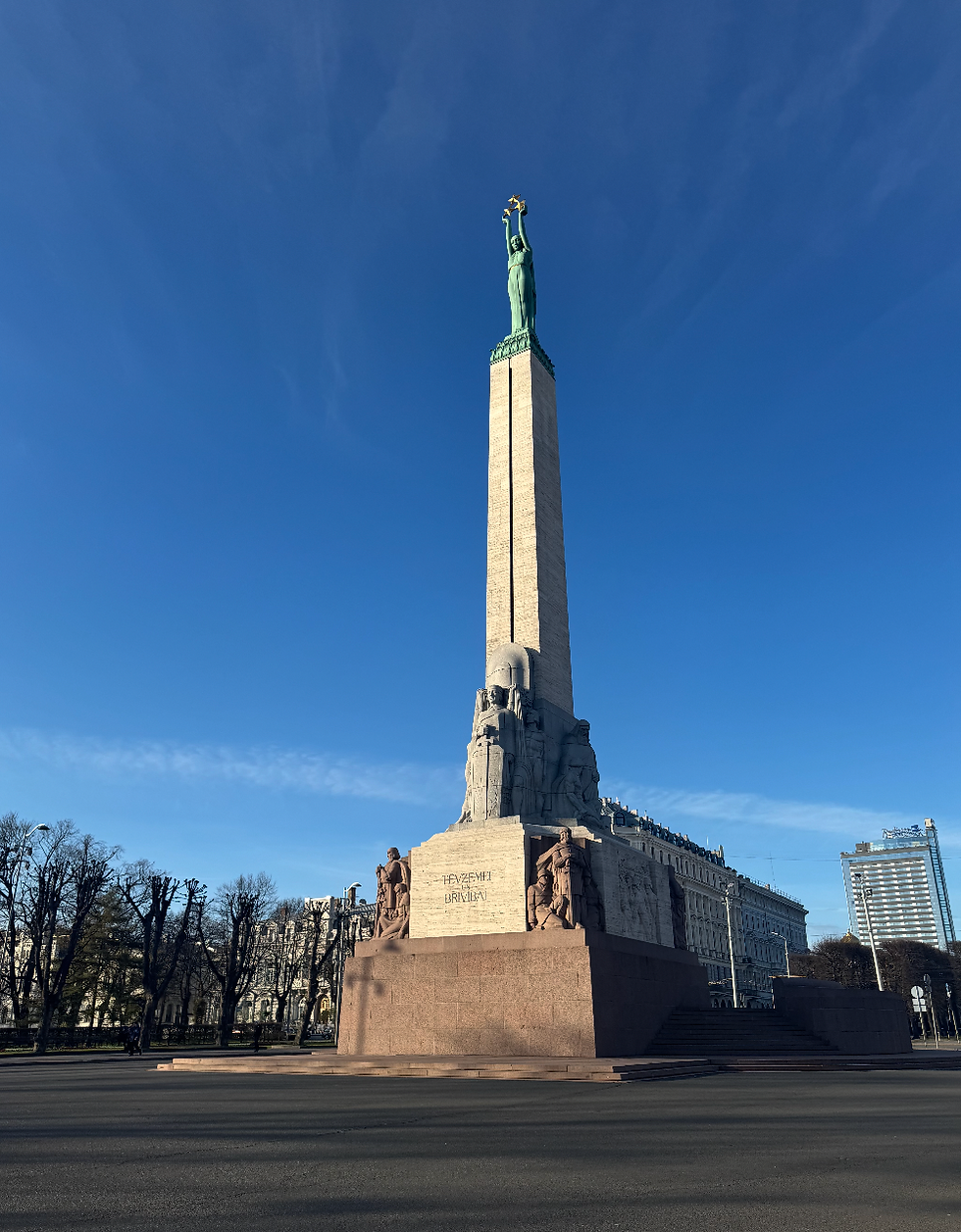
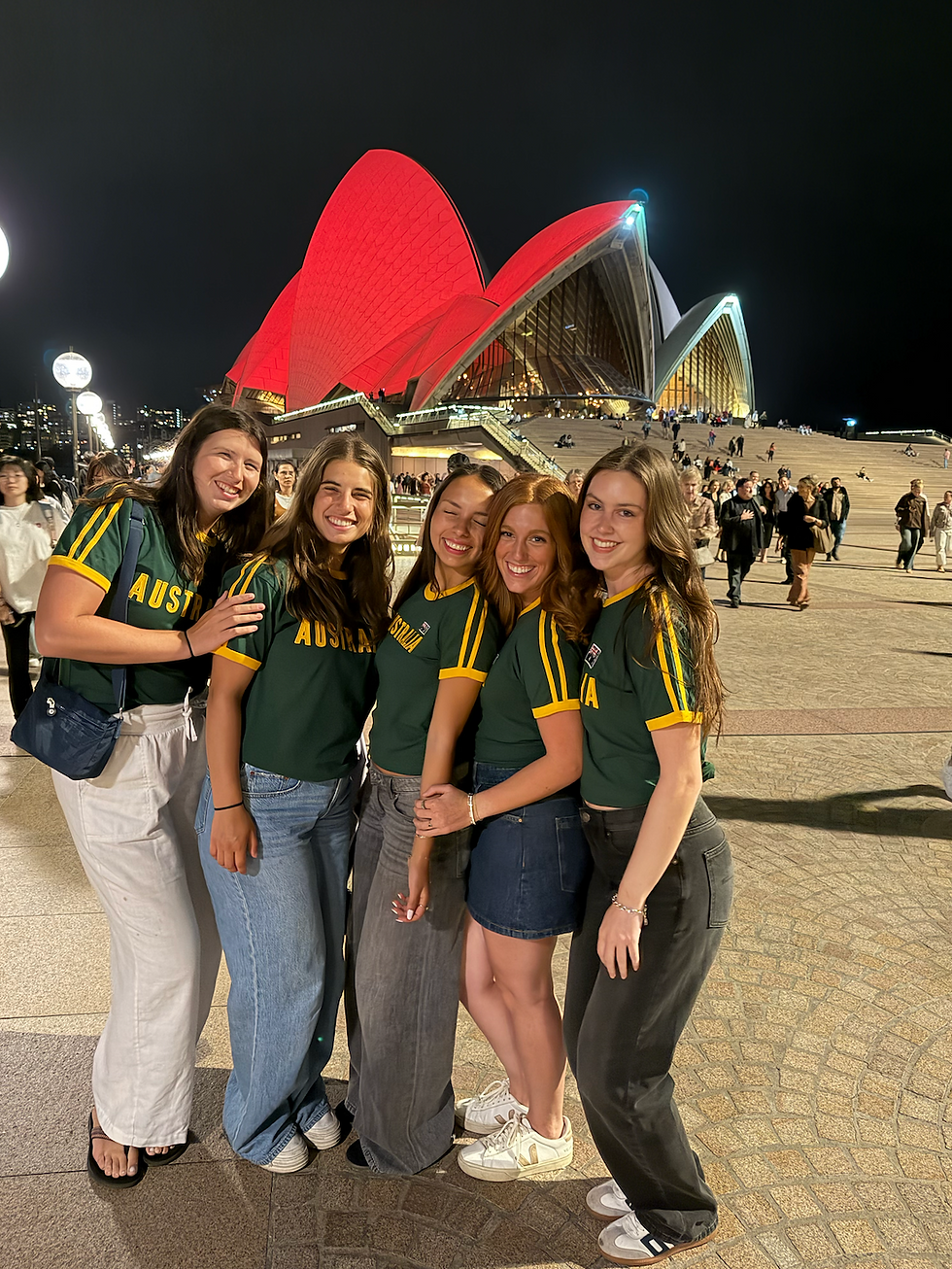
Now that I have gone through the important information, I would like to end this entry on a high note. I have now gone to both Estonia and Lithuania with my program, and they were absolutely wonderful! It has been really interesting getting to know the broader Baltic region and going to cities I may not have otherwise explored outside of the Baltic capitals, such as Parnu, Rundale, Kaunas, and Trakai. Below are some photos of my adventures.



Wishing you good health, especially while abroad!


Comments